I Don’t Sugar Coat SVG: A Designer’s Embroidery Review
As a designer who spends half my life digitizing and the other half stitching, I have learned to look past the glossy preview images. When I first encountered the I Don t Sugar Coat Funny Svg Design, my initial reaction was not just about the humor, but about the structural integrity of the lines. In the world of Crafts and digital Graphics, a funny quote is only as good as its readability once it hits the fabric. This review breaks down how this specific design performs when moved from a screen to a real-world embroidery project.
First Impressions: Mood and Layout
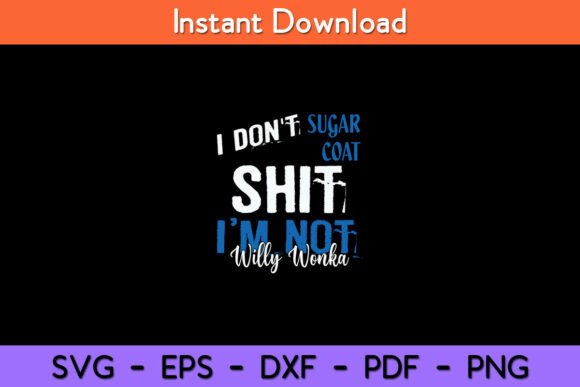
The phrase "I Don't Sugar Coat It" carries a bold, no-nonsense attitude. Visually, the design relies on strong typography rather than intricate illustrations. For an embroidery designer, this is both a blessing and a challenge. The mood is confident and slightly rebellious, making it a perfect fit for modern custom apparel or statement home decor. The layout appears balanced, with letter spacing that suggests it was created with cutting machines in mind, such as Cricut or Silhouette. However, translating these clean vector lines into thread requires careful consideration of stitch density and pathing.
When evaluating a digital embroidery file like this, I look for visual personality. Does it feel generic, or does it have character? This design feels intentional. The weight of the letters suggests it can hold its own on heavier fabrics like denim or canvas, which is ideal for tote bag design projects or durable workwear.
Real-World Application: The Sweatshirt Test
To truly test the viability of the I Don t Sugar Coat Funny Svg Design, I imagined applying it to a mid-weight cotton blend sweatshirt. This is a common request for Etsy seller clients who want to create best-selling handmade product listings. The humor resonates with a wide audience, from busy moms to corporate professionals who appreciate blunt honesty.
In this scenario, the design would likely be stitched using a combination of satin stitch for smaller text elements and a fill stitch for larger, bolder letters. The key here is ensuring the text remains legible without becoming a stiff, cardboard-like patch on the chest. If the original SVG is converted directly without proper digitizing for embroidery, the result could be dense and uncomfortable. For a personalized gift or a small shop product, comfort is just as important as aesthetics. I would recommend using a soft backer stabilizer to maintain the fabric's drape while supporting the stitch count.
Versatility Across Products
Beyond apparel, this design has significant potential in other categories. Consider a sturdy canvas apron for a chef or baker who values honesty in their kitchen. The contrast of white or bright thread against a dark navy or black apron creates a striking visual that enhances brand consistency for boutique branding. It also works well for embroidered patch creation, where the design can be stitched on twill and then applied to jackets or bags. This adds value to the finished product by offering a removable, versatile accessory.
For holiday embroidery or gift-giving seasons, this design fits neatly into the category of witty, relatable presents. It appeals to buyers looking for something beyond the typical sentimental quotes. Whether used for a baby embroidery item (perhaps on a parent’s shirt rather than the baby’s) or a quirky pillow cover, the design’s adaptability is one of its strongest assets.
Technical Considerations and Constraints
While the design is visually appealing, there are areas where caution is necessary. Since the source material is described as an SVG for cutting machines, it lacks inherent embroidery data. You cannot simply load an SVG into an embroidery machine and expect perfect results. You must convert it using specialized software, paying close attention to thread colors and stitch types.
- Hoop Size: Ensure the design fits within your standard hoop sizes, such as 4x4 or 5x7 inches. If the text is too long, it may require resizing, which can distort the font proportions.
- Fabric Texture: On textured fabrics like terry cloth or fleece, fine details can get lost. This design works best on smooth or tightly woven materials like poplin, denim, or canvas.
- Small Details: If the design includes any small decorative elements alongside the text, verify that they are large enough to be stitched without breaking threads. Tiny corners can cause needle breaks if the digitizing is not optimized.
- Dark Fabric: When stitching on dark garments, consider using a underlay stitch or a light-colored backing to prevent the fabric color from showing through the thread gaps.
For commercial embroidery projects, consistency is key. If you are producing multiple units for a craft business, you must ensure that the digitized version of the I Don t Sugar Coat Funny Svg Design stitches out identically every time. This means locking down your stabilizer type, thread brand, and tension settings before starting a production run.
Enhancing Visual Appeal and Value
The right execution of this design can significantly boost customer trust and buyer engagement. A clean, well-stitched piece signals professionalism. When customers see crisp edges and even tension, they perceive higher value. This is crucial for design assets that are intended to be sold as part of a premium line. Using high-quality rayon or polyester threads can add a subtle sheen that elevates the look, making the text pop against matte fabrics.
Furthermore, creating printable mockup previews using the digitized design can help online sellers showcase the product effectively. Showing the design on various backgrounds—light, dark, and colored—helps customers visualize the final item. This transparency reduces return rates and increases satisfaction.
Practical Designer Notes
Before committing to a full production run or listing the item in your store, follow these practical steps:
- Test on Scrap Fabric: Always stitch a sample on the exact fabric type you plan to use. This reveals any issues with puckering or registration.
- Check Thread Contrast: Ensure the thread color contrasts sufficiently with the fabric. High contrast improves readability, especially for a text-based design.
- Review Stitch Density: If you are digitizing the SVG yourself, avoid excessive density. Too many stitches can cause the fabric to pucker and the garment to feel stiff.
- Confirm Licensing: Since this is a digital download, verify the license terms. Can you use it for commercial sales? Are there restrictions on the number of items you can produce? Always respect intellectual property rights.
- Inspect Small Details: Zoom in on the digitized file to check for stray stitches or inefficient pathing that could increase production time.
In conclusion, the I Don t Sugar Coat Funny Svg Design offers a strong foundation for a variety of creative projects. Its bold message and clean lines make it a versatile choice for apparel decorators and creative entrepreneurs. However, its success depends entirely on the quality of the conversion from vector to stitch. By paying attention to technical details and respecting the material constraints, you can transform a simple digital file into a high-value, sought-after handmade product. Whether you are a hobbyist making gifts or a seasoned small business owner expanding your catalog, this design deserves a spot in your toolkit, provided it is handled with professional care.