Review: Don’t Be a Salty Cow SVG for Embroidery
As an embroidery designer who has spent years digitizing files and testing them on everything from delicate baby onesies to heavy canvas tote bags, I have learned that not every cute graphic translates well to thread. When I first pulled up the Don’t Be a Salty Cow Funny SVG PNG Print, my initial reaction was one of cautious optimism. The concept is undeniably charming—a sassy bovine with a cheeky attitude—but the real question for us crafters is always about execution. Does this design hold up under the needle, or does it get lost in the fabric?
I decided to put this file through its paces, treating it not just as a digital asset but as a potential centerpiece for a client’s custom order. Here is my honest assessment of how this design performs in real-world Crafts and Graphics applications.
First Impressions and Visual Personality
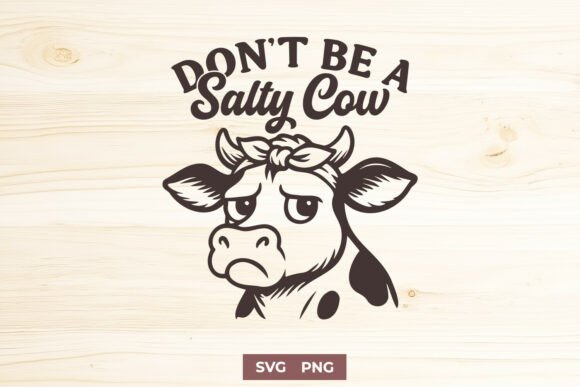
The mood of this design is immediate. It is sarcastic, fun, and perfectly suited for the modern farmwife aesthetic or anyone who appreciates dry humor. Visually, the cow features a distinct "salty" expression that carries the weight of the joke. For an embroidery project, this is crucial. If the facial details are too small or the lines too thin, the personality gets lost. In my review of the vector paths, the shapes appear bold enough to survive translation into stitch data, provided the digitizer maintains clean curves.
This isn’t just a generic animal clipart; it has character. That character is what sells a handmade product. When a customer sees a tote bag or a sweatshirt, they are buying into the vibe. This design delivers a specific, relatable energy that works well for boutique branding.
Real-World Application: The Tote Bag Test
To evaluate practicality, I imagined this design stitched onto a natural cotton canvas tote bag design. This is a high-demand item for Etsy sellers and craft fair vendors. The contrast between the dark outlines of the cow and the light fabric would be striking. However, because the phrase "Don’t Be a Salty Cow" is integral to the humor, legibility is paramount.
In a real-life scenario, I would recommend using a satin stitch for the text if the font allows, as it provides a smooth, premium look. For the cow itself, a combination of fill stitch for the body and satin for the horns or details would create nice texture variation. The result would be a durable, washable accessory that stands up to grocery runs and daily use, enhancing the perceived value of the finished product.
Sweatshirts and Custom Apparel
Moving beyond bags, this design shines on custom apparel. A heather grey or black sweatshirt embroidery featuring this cow would be a bestseller in cooler months. The key here is managing the stitch density. Sweatshirt fleece is thick, and if the design is too dense, it can cause puckering or make the garment stiff. I advise checking the digitized version for pull compensation and ensuring the underlay stitches are sufficient to stabilize the design on stretchy fabrics.
For baby embroidery, such as a onesie or bib, you must scale the design down carefully. Ensure that the tiny details of the cow’s eyes and the lettering remain clear at smaller sizes. If the text becomes illegible, the joke fails, and the personalized gift loses its impact.
Technical Considerations for Stitchers
Before loading this into your machine, there are several technical factors to consider. Since this is sold as an SVG and PNG, you will likely need to convert it or purchase a dedicated machine embroidery design file format compatible with your brand (such as PES, DST, or JEF). Do not assume the SVG is ready-to-stitch; it is a cut file. You need a proper embroidery file that has been professionally digitized.
- Hoop Size: Check the dimensions. This design likely fits well in a 5x7 or 6x10 hoop, but confirm before starting.
- Stabilizer: Use a cut-away stabilizer for stretchy garments like t-shirts and sweatshirts to prevent distortion. For woven fabrics like tote bags, a tear-away may suffice.
- Thread Colors: Stick to high-contrast threads. Black or dark brown for outlines ensures the "salty" expression pops against lighter backgrounds.
- Fabric Texture: Avoid highly textured fabrics like looped terry cloth unless you are doing an applique design, as the stitches can sink into the pile.
Where to Use Caution
While versatile, this design is not universal. I would hesitate to use it on curved surfaces like caps without significant experience. The text alignment on a curved brim can be tricky, and the cow’s face might distort if not properly centered. Additionally, avoid placing it on areas subject to high friction, such as the inner elbow of a sleeve, unless you reinforce it heavily.
If you are creating an embroidered patch, this design is excellent. Patches allow for higher stitch density and heavier stabilizers, meaning you can achieve a very crisp, cartoon-like finish that looks professional and durable. This is a great option for small shop product lines that want to offer add-ons.
Boosting Business Value and Brand Consistency
For commercial embroidery professionals, consistency is key. Using a high-quality design like this helps build trust. Customers associate clean stitching and clever designs with professionalism. When you use this as a design asset in your portfolio or on social media, it signals that you understand current trends.
Create a printable mockup or a digital preview showing the design on various items. This helps buyers visualize the holiday embroidery gift potential or everyday wearability. It reduces hesitation and increases conversion rates for your online store.
Final Designer Notes
Always test on scrap fabric first. Run a trial stitch-out to check for thread breaks or nesting issues. Verify the license terms included with the digital embroidery file. Most designers allow commercial use for physical products but restrict the resale of the digital file itself. Confirm this before listing items on Etsy or at craft fairs.
The Don’t Be a Salty Cow Funny SVG PNG Print is a strong contender for your next project. It balances humor with visual clarity, making it a safe bet for both novice hobbyists and seasoned craft business owners. Just ensure you have the right digitized file and stabilizer setup to let the sass shine through the stitches.