Moose Mode On Funny SVG: A Designer’s Real-World Review
As an embroidery designer who has spent years digitizing files and testing them on everything from stiff denim to delicate baby onesies, I approach every new machine embroidery design with a critical eye. It is not enough for a graphic to look cute on a screen; it must translate beautifully into thread. Recently, I evaluated the Moose Mode on Funny Svg Design to determine its viability for real-world projects. This review breaks down how this asset performs when moved from digital Graphics to tangible Crafts, focusing on practical application for small business owners and hobbyists alike.
First Impressions and Visual Personality
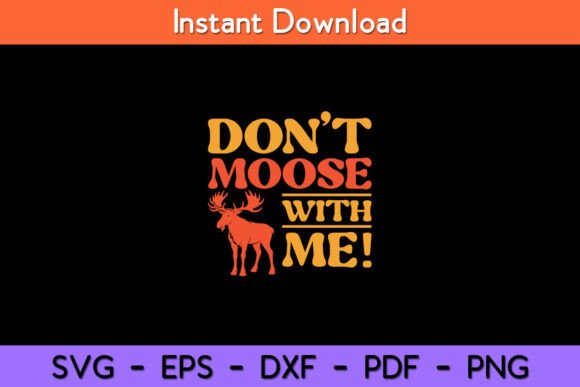
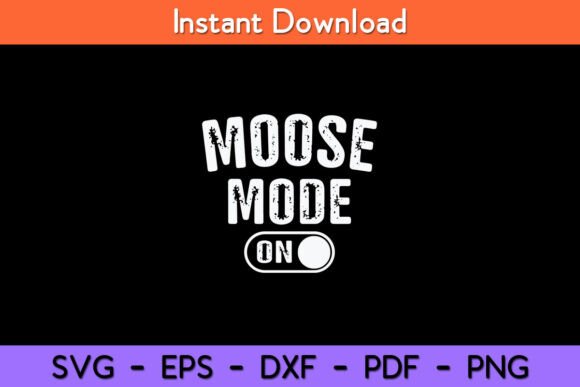
The first thing that strikes you about the Moose Mode on Funny Svg Design is its playful attitude. The layout suggests a whimsical mood, likely featuring bold lines and a character-driven focus that appeals to a broad audience. For an embroidery project, this visual personality is crucial. Designs that are too intricate often get lost in the stitching process, while those that are too simple can look amateurish. This design sits in a sweet spot, offering enough detail to be engaging without becoming a nightmare of trim threads and jump stitches.
When I visualize this design stitched out, I see it working best with clean, defined edges. The "funny" aspect implies a lighthearted theme, making it ideal for gifts that need to spark a smile. Whether used for holiday embroidery or everyday wear, the charm lies in its simplicity and clear messaging. It does not try to be overly realistic, which is a smart choice for embroidery where texture and thread sheen play a significant role in the final aesthetic.
Real-World Application Scenarios
To truly understand the value of an embroidery file, you must imagine it on actual products. I mentally placed the Moose Mode on Funny Svg Design on several items to gauge its versatility.
- Sweatshirt Embroidery: This is perhaps the strongest use case. The soft texture of a fleece or cotton-blend sweatshirt provides a perfect canvas for the design. The bold nature of the moose motif would stand out clearly against heather grey or navy backgrounds, creating a cozy, boutique-style custom apparel piece.
- Tote Bag Design: For a sturdy canvas tote, this design adds a touch of personality. It transforms a generic bag into a unique handmade product that customers might buy for grocery runs or library visits. The durability of the stitch pattern would hold up well to frequent use.
- Baby Embroidery: If scaled down appropriately, this could work on a baby bib or blanket. However, care must be taken to ensure no tiny details become choking hazards or irritants against sensitive skin. Soft thread colors like pastel blues or muted greens would enhance its appeal as a personalized gift.
- Embroidered Patch: Creating a cut-out patch allows for maximum versatility. Users can iron or sew the patch onto jackets, hats, or backpacks. This extends the life of the design beyond a single garment, adding value for Etsy seller shops looking to offer modular accessories.
Technical Considerations for Stitching
While the visual appeal is strong, technical execution determines whether a digital embroidery file succeeds or fails. Since this product is marketed as an SVG for cutting machines, embroiderers must consider how to adapt it. If you are using this as a reference for digitizing your own stitch file, or if it comes with compatible formats, pay close attention to stitch density.
For areas that require solid coverage, a fill stitch is necessary, but it must not be so dense that it puckers the fabric. Conversely, outlines should utilize a satin stitch or a narrow running stitch to maintain clarity. If the original SVG has very thin lines, they may disappear when stitched. I recommend testing the design on scrap fabric first to check how the lines translate. Adjusting the width of satin columns can prevent thread breaks and ensure the moose’s features remain distinct.
Another critical factor is the hoop size. Ensure the design fits comfortably within your machine’s hoop without requiring excessive re-hooping, which can lead to misalignment. For larger items like aprons or pillow covers, a 5x7 or 6x10 hoop might be ideal, while smaller items like caps will require a specialized cap frame and careful placement to avoid distortion on curved surfaces.
Fabric and Material Compatibility
The success of the Moose Mode on Funny Svg Design depends heavily on the substrate. Here is how it interacts with different materials:
- Textured Fabrics: On towels or fleeces, the design needs sufficient underlay to prevent sinking. A cut-away stabilizer is recommended to provide long-term support.
- Thin Fabric: For t-shirts or lightweight linens, use a tear-away stabilizer and consider a lighter weight thread to avoid stiffness. The design should not overwhelm the delicate drape of the fabric.
- Dark Fabric: Thread color contrast is vital. If stitching on black or navy, choose bright or metallic thread colors to make the moose pop. Avoid dark browns or blacks unless you are aiming for a subtle, tonal effect.
- Stretchy Fabric: When working with knits for sweatshirt embroidery, always use a stabilizer that counters the stretch. Otherwise, the design may distort after washing, ruining the professional look of your small shop product.
Commercial Viability and Brand Consistency
For commercial embroidery professionals and craft business owners, consistency is key. The Moose Mode on Funny Svg Design offers a recognizable aesthetic that can help build brand identity. If your shop specializes in rustic, outdoorsy, or humorous items, this design fits seamlessly into that niche. It enhances buyer engagement because it feels personal and handcrafted, even if produced in batches.
However, before selling finished items or using this as a design asset in your portfolio, you must confirm licensing terms. Since the product description mentions it is an instant download for cutting machines, verify if the license extends to commercial embroidery sales. Many designers allow physical sales but restrict digital redistribution. Always check the specific terms provided by the creator to protect your business.
Final Designer Notes
Before committing to a full production run, create a printable mockup to visualize the scale. Compare how the design looks on light versus dark backgrounds. Inspect small details to ensure they are not too fine for embroidery. If the SVG includes text, ensure the font size is large enough to be legible when stitched. Remember, what looks sharp on a vector screen may blur in thread.
In conclusion, the Moose Mode on Funny Svg Design is a promising addition to your library of Crafts and Graphics. With proper attention to stabilizer choice, thread selection, and fabric preparation, it can elevate your embroidery project from simple to standout. Whether for a holiday gift or a boutique inventory update, this design holds potential for those who value both humor and quality in their handmade creations.